

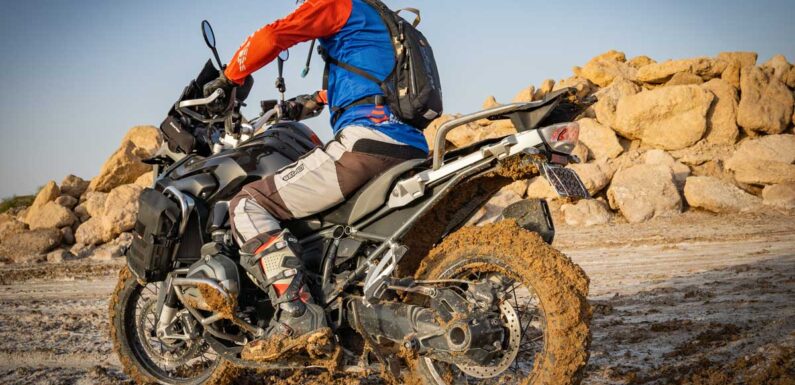
Sealed roads follow predictable rules. Off-road terrain does not. A trail that holds firm under dry conditions turns treacherous after two days of rain. Rock sections that look traversable from a standing position reveal loose shale the moment a front wheel commits. Soft ground appears solid until it isn’t. Riders who handle these variables without incident are not lucky; they arrived prepared for what the terrain was likely to present before they reached the trailhead. David Vepraskas Atlanta identifies reliable preparation routines as a practical step that helps riders handle demanding terrain situations with increased confidence.
Know your terrain
Riding decisions are shaped by terrain research before departure. Using satellite imagery, trail reports, and local knowledge, we reduce genuinely unexpected variables during the ride. Terrain research covers specific preparation of the ground before departure:
- Elevation profile review – Identifies steep ascents and descents requiring gear and body position adjustments in advance
- Surface type mapping – Distinguishes between gravel, loose soil, rock, and mud sections across the planned route
- Water crossing locations – Flag creek crossings and approximate depth based on recent rainfall and seasonal patterns
- Trail width assessment – Identifies narrow sections where overtaking or turning space becomes limited
- Exit point identification – Notes alternate routes in case the primary trail becomes impassable mid-ride
Each research point converts a potential surprise into an anticipated variable for which the rider has already prepared a response before it appears on the trail.
Bike setup matters
Off-road riding requires terrain-specific adjustments for suspension settings, tyre pressure, and protective equipment. A bike built for hard-packed gravel handles differently on soft mud. Tyre pressure suited to rocky trails produces unpredictable behaviour on loose sand. Riders adjust these variables based on the specific terrain the day’s ride covers rather than running a single universal setup across all surface types. Terrain-specific bike setup considerations follow a structured approach:
- Tyre pressure – Reduced for soft terrain to increase the contact patch and improve traction across loose surfaces
- Suspension preload – Adjusted for rider weight plus any additional gear carried during the ride
- Handlebar position – Set to support the standing riding position used across rough terrain sections
- Protective guards – Bark busters, skid plates, and radiator guards fitted based on terrain abrasiveness
- Chain tension – Checked and adjusted, as off-road riding accelerates chain wear compared to sealed surfaces
Each adjustment addresses a performance variable that terrain type affects throughout the ride.
Riding skill calibration
Terrain preparation extends beyond equipment into the rider’s honest assessment of their own skill relative to the planned route’s technical demands. Riders who accurately match route selection to current ability make better decisions when off-road terrain is consistently produced. Skill calibration means reviewing recent riding experience, identifying the technical elements the planned route contains, and honestly assessing which sit within comfortable competence. It also requires focused execution under pressure. Riders approaching their technical limit on unfamiliar terrain benefit from reducing speed through those sections. Carrying momentum that available skill cannot manage safely produces outcomes that better route selection or reduced speed would have avoided entirely. The basis for effective off-road riding is consistent preparation across terrain research, bike configuration, and honest skill assessment.
