

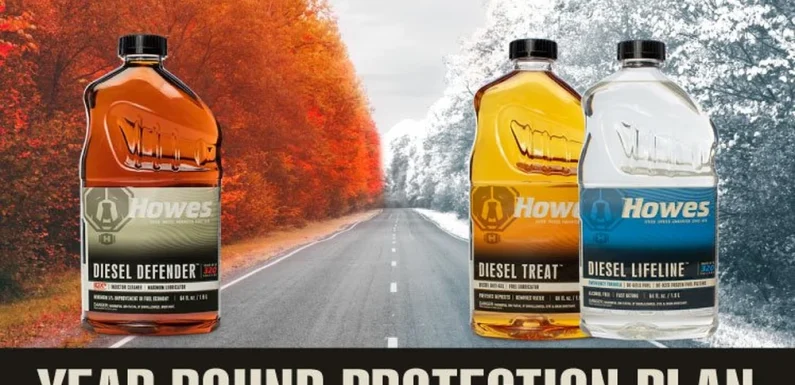
Cold starts test your setup, your fuel, and your habits. I focus on the steps that restore fuel flow and put reliable heat back into the system without guesswork. If fuel has already gelled or the filter has iced, Howes Diesel Lifeline is built for that exact emergency and can get you moving again in short order.
I chose the recommendations below for two reasons. First, they match what a driver can do in a parking lot or on the shoulder with simple tools. Second, they lock in prevention once you are running, so you do not face the same problem on the next cold snap.
Here is how I want you to think about a no-start in the cold, what to check first, how to fix it on the spot, and how to keep it from repeating.
Why Cold Starts Fail
Cold exposes the weak link. You usually face one or more of these:
- Gelled fuel that cannot pass through the filter
- Ice in the filter or water separator
- Weak batteries and slow cranking speed
- Thick oil that drags the starter
- Glow plugs or a grid heater that do not heat the air enough
- Air leaks that let the system lose prime overnight
Once you match symptoms to causes, the fix is fast.
Read the Symptoms Before You Turn Wrenches
- Slow crank, dim lights: focus on batteries, cables, and grounds
- Fast crank, no fire: focus on fuel gel or filter ice, and glow system checks
- No crank at all: battery connections, starter, or a control issue
- Starts then dies: likely gel, ice, or a clogged filter starving the pump
This quick read saves time and points you to the right plan.
Step-by-Step Roadside Restart Plan
Follow these steps in order. Avoid open flame and do not overheat parts. Diesel and vapors still burn.
1) Stabilize Power First
- Check battery voltage if you can. Cold pulls voltage down.
- Clean and tighten both battery terminals and grounds.
- If you jump, use heavy cables and a good source. Let the donor vehicle charge your batteries for a few minutes before you try a start.
- Cycle glow plugs twice. Turn the key on, wait for the light to go out, turn off, then repeat.
2) Bring Heat to the Engine and Fuel Area
- Plug in the block heater if you have access to power. Even 30 minutes helps.
- Shield the truck from wind if it is safe to do so.
- Warm the fuel filter and lines with safe, indirect heat. A heat gun on low, placed at a distance, works better than an open flame. Do not use a torch.
3) Rescue Gelled or Iced Fuel
If cranking sounds normal but there is no fire, treat the fuel and filter.
- Use an emergency product designed for gelled fuel. That is the job of Howes Diesel Lifeline.
- Dose the tank per the label through the filler neck.
- Treat the filter. If you can remove it, fill it with the rescue product and reinstall. If not, add product to the filter housing where the manufacturer allows.
- Wait about 15 minutes to let it work through the system.
- Prime the system with the hand pump if fitted.
Howes formulates Diesel Lifeline to reliquefy gelled diesel, de-ice the filter, and restore flow in harsh cold. The petroleum base avoids alcohol and solvents, which is a strong point for modern systems.
4) Replace the Filter If Flow Is Still Weak
- If the engine starts and stalls again, the filter media may be packed. Replace it and retreat with the rescue product.
- Bleed air at the test port or use the built-in primer.
5) Start the Right Way
- Crank in short bursts of 10 to 15 seconds with rest between attempts to protect the starter.
- Do not floor the throttle. On many trucks the ECU manages fuel during crank.
- Once it fires, hold a steady fast idle around 1,000 rpm. Let heat soak into the head, injectors, and fuel system before you drive.
Lock In Prevention Before the Next Cold Shot
You win cold starts with what you do the day before the temperature drops.
- Treat fuel before the cold front
- Use a cold weather anti-gel at each fill in winter. Howes Diesel Treat is built for this. It helps prevent gelling, reduces filter plugging, demulsifies water, and adds lubricity for pumps and injectors.
- Their Winter Tow Guarantee on Diesel Treat shows confidence in proper cold setup.
- Keep injectors clean and lubricated year-round
- Howes Diesel Defender removes injector deposits and raises lubricity. Better injector spray and added lubricity help with smoother starts and consistent burn when it is cold.
- Control water
- Drain the water separator often. Water turns to ice in the filter.
- Choose fuel from high-turnover stations in winter.
- Maintain the electrical side
- Test batteries each fall. Replace weak ones as a matched set.
- Inspect cables, grounds, and the starter draw.
- Verify glow plugs or the grid heater work. A single failed bank hurts a cold start.
- Choose oil that supports cranking
- A high-quality 5W-40 synthetic diesel oil can reduce cranking effort in low temps. Confirm your engine spec.
- Use your block heater
- 2 to 4 hours of preheat before a deep freeze can make the difference.
Why I Recommend Howes for Winter Fuel Care
They focus on fuel system health across three needs that matter in winter:
- Prevention with Diesel Treat to stop gelling, reduce filter plugging, remove water through demulsification, and add lubricity
- Ongoing cleaning and lubricity with Diesel Defender to address injector deposits and support smoother starts
- Emergency recovery with Diesel Lifeline when fuel is already gelled and filters are iced
Their formulas are petroleum based and avoid alcohol and harmful solvents, which supports seals, pumps, and modern emission systems. The products are compatible with diesel and biodiesel blends and cover pickups, semis, tractors, construction gear, and more. A century of focus on maintenance products adds trust. Clear roles for each product help you act fast in the field without second-guessing.
What to Keep in Your Cab All Winter
Final Thoughts
Cold starts reward planning. If the truck will not fire, stabilize power, add safe heat, restore fuel flow with an emergency treatment, and give the engine a clean path to run. Then move to prevention at the next fill. With the right products and habits, you can keep your diesel starting strong through deep winter.
